

Dangerous Road Conditions and Public Agency Liability: When Can a Government Entity Be Held Responsible?
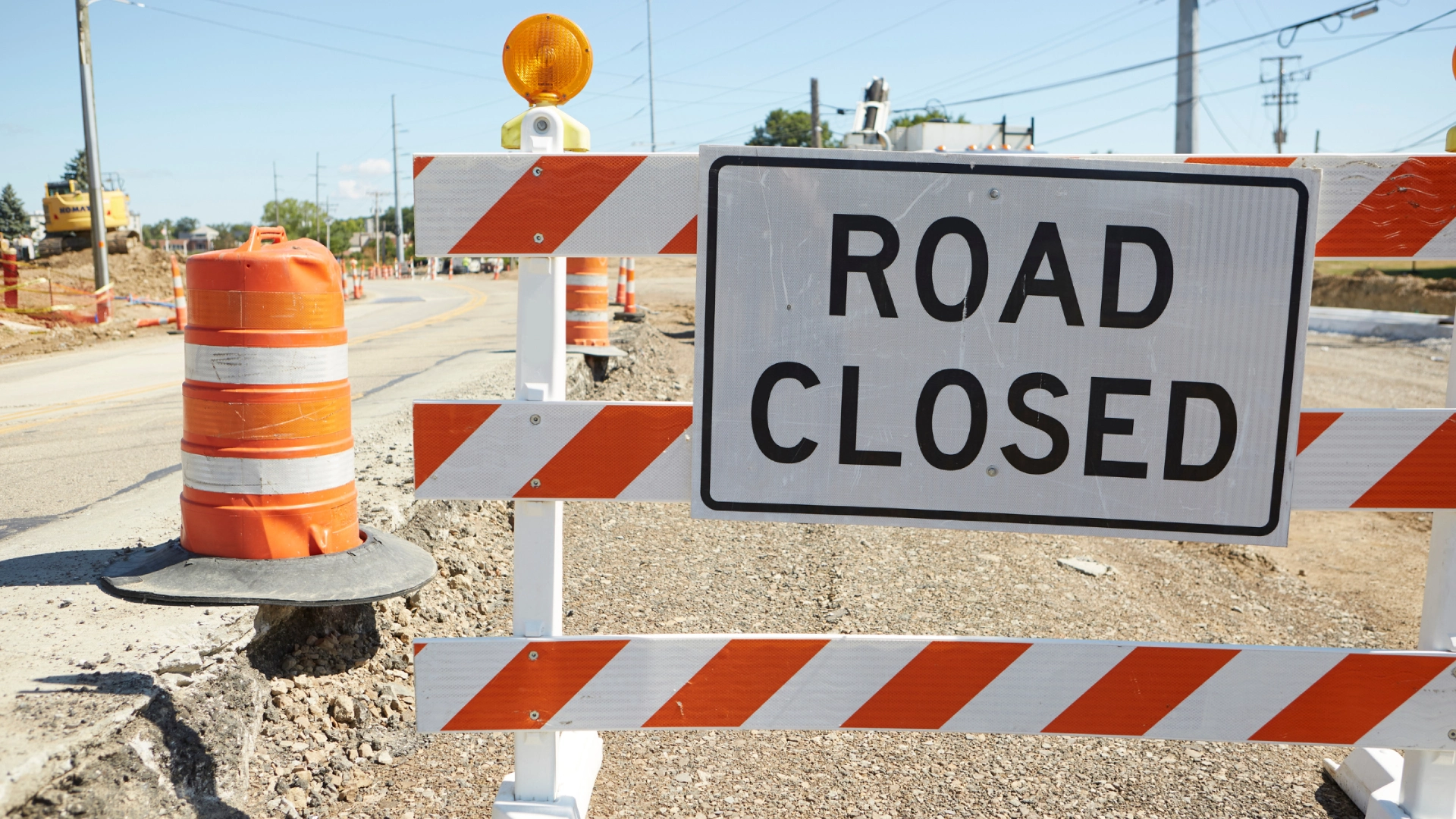
Dangerous Road Conditions Can Have Serious Consequences
Most drivers encounter potholes, faded lane markings, malfunctioning traffic signals, or damaged road surfaces from time to time. While many of these issues are viewed as inconveniences, some dangerous roadway conditions can lead to severe collisions, catastrophic injuries, and even fatalities.
When a crash occurs, most people immediately focus on the drivers involved. However, in certain situations, the condition of the roadway itself may have played a significant role in causing the incident. In those cases, questions may arise regarding whether a public agency responsible for designing, maintaining, or repairing the roadway can be held accountable.
Understanding when a dangerous road condition becomes a legal issue requires a careful review of the facts, applicable laws, and the responsibilities of the governmental entity involved.
What Is Considered a Dangerous Condition of Public Property?
Under California law, a public entity may be responsible when a dangerous condition exists on public property and that condition creates a substantial risk of injury when the property is used in a reasonably foreseeable manner.
Examples may include:
- Large potholes or roadway deterioration
- Missing or obscured traffic signs
- Malfunctioning traffic signals
- Unsafe roadway design
- Inadequate guardrails
- Dangerous intersections with known visibility issues
- Defective roadway drainage causing flooding or hydroplaning
- Improperly maintained sidewalks, bike paths, or pedestrian crossings
- Lack of warning signs in hazardous areas
Not every roadway defect automatically creates liability. The key question is often whether the condition created an unreasonable risk and whether the responsible agency knew or should have known about the problem.
Why Public Agency Claims Are Different
Claims involving cities, counties, state agencies, or other public entities operate under different rules than typical personal injury cases.
In many situations, an injured person cannot simply file a lawsuit immediately. California law often requires that a formal government claim be submitted first.
These deadlines can be significantly shorter than those that apply in traditional injury cases. Missing a required deadline may affect a person’s ability to pursue a claim.
Because of these unique procedural requirements, early investigation is often critical.
Establishing Notice of a Dangerous Condition
One of the most important issues in these cases is determining whether the public agency had notice of the dangerous condition.
Notice may be established through evidence such as:
- Prior complaints from residents
- Previous accidents at the same location
- Maintenance records
- Inspection reports
- Internal communications
- Public works documentation
- Engineering studies
In some cases, the condition may have existed for such a length of time that the agency reasonably should have discovered and addressed it.
The existence of prior incidents can become an important factor when evaluating whether corrective action should have been taken sooner.
Roadway Design Versus Roadway Maintenance
Dangerous condition cases often involve one of two broad categories:
Roadway Maintenance Issues
These cases may involve conditions that developed over time due to inadequate maintenance, including:
- Potholes
- Cracked pavement
- Damaged signage
- Broken signals
- Unsafe road shoulders
Roadway Design Issues
Other cases involve allegations that the roadway was designed in a manner that created foreseeable safety risks.
Examples may include:
- Dangerous sightlines
- Improper traffic flow patterns
- Unsafe intersection configurations
- Inadequate warning systems
- Design features that contribute to recurring collisions
These cases often require extensive investigation and may involve engineers, accident reconstruction experts, and roadway safety professionals.
The Importance of Early Investigation
Evidence related to dangerous road conditions can change quickly.
Roads may be repaired. Signs may be replaced. Construction projects may alter conditions. Surveillance footage may be lost. Witness memories may fade.
For that reason, documenting the condition of the roadway as early as possible can be extremely important.
Photographs, maintenance records, incident reports, and expert evaluations frequently become key pieces of evidence when determining whether a dangerous condition contributed to an injury.
Accountability and Community Safety
Cases involving dangerous conditions on public property often extend beyond a single incident.
When a roadway defect or hazardous condition contributes to a serious injury, the investigation may reveal larger safety concerns affecting other members of the community. In some situations, identifying and addressing those conditions can help prevent future injuries and encourage improvements to public infrastructure.
While every case is unique, these matters often raise broader questions about safety, maintenance, and accountability within the communities we serve.
Frequently Asked Questions
Can I sue a city for dangerous road conditions?
In some circumstances, yes. Public entities may be liable when a dangerous condition of public property contributes to an injury and legal requirements are met.
Are claims against government agencies different from regular injury cases?
Yes. Government claims often involve special procedures and shorter filing deadlines than standard personal injury claims.
How long do I have to file a claim against a public entity?
Deadlines vary depending on the circumstances, but government claims frequently require action much sooner than traditional injury cases. It is important to understand applicable deadlines as early as possible.
Discussing a Potential Public Entity Liability Claim
Determining whether a dangerous roadway condition contributed to an injury requires careful investigation and legal analysis. Factors such as roadway design, maintenance history, prior incidents, and public agency responsibilities may all play a role.
If you have questions regarding an accident involving a dangerous condition of public property, it is important to understand the unique requirements that may apply to claims involving government entities.
Legal Disclaimer:
This article is provided for informational purposes only and does not constitute legal advice. Every legal matter is unique, and the information contained in this article may not apply to your specific circumstances.
Reading this article does not create an attorney-client relationship with the Law Offices of John H. Howard. If you have questions regarding a potential legal matter, you should consult with an attorney regarding your particular situation.
Have Questions About a Potential Legal Matter?
Whether you are dealing with an injury, a wrongful death matter, a negligent security claim, a mass tort issue, or another complex legal matter, understanding your rights often begins with obtaining accurate information about your specific circumstances.
The Law Offices of John H. Howard serves individuals and families throughout Ventura, Santa Barbara, and San Luis Obispo Counties, as well as statewide and nationwide when appropriate.